How CRM Systems Improve Customer Retention and Sales
In today’s competitive business landscape, customer retention is more crucial than ever. With the cost of acquiring new customers significantly higher than retaining existing ones, businesses are turning to Customer Relationship Management (CRM) systems to enhance their customer interactions and drive sales growth. This article explores how CRM systems improve customer retention and sales, providing insights into their features, benefits, and best practices for implementation.
Understanding CRM Systems
What is a CRM System?
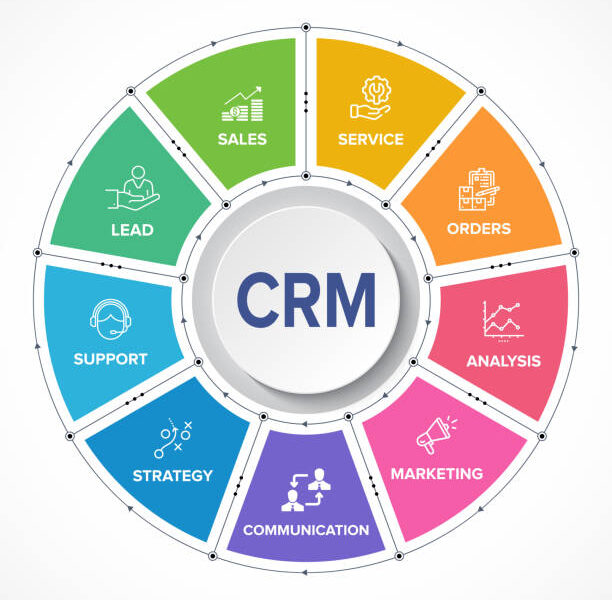
A Customer Relationship Management (CRM) system is a technology platform that helps businesses manage their interactions with customers and potential clients. It centralizes customer data, tracks interactions, and provides insights into customer behavior. By utilizing CRM software, companies can improve their customer service, increase sales, and foster long-term relationships.
Importance of Customer Retention
Customer retention refers to the ability of a company to keep its customers over time. High retention rates lead to increased customer loyalty, repeat purchases, and ultimately higher profitability. A CRM system plays a vital role in enhancing customer retention by enabling businesses to:
- Understand Customer Needs: By collecting and analyzing customer data.
- Personalize Interactions: Tailoring communications based on individual preferences.
- Improve Customer Service: Providing timely support and addressing concerns effectively.
How CRM Systems Enhance Customer Retention
1. Centralized Customer Data
One of the primary benefits of CRM systems is their ability to centralize customer data. This includes contact information, purchase history, communication records, and preferences.
Benefits of Centralized Data
- 360-Degree View: A comprehensive view of each customer allows businesses to understand their needs better.
- Improved Communication: Teams can access relevant information quickly, ensuring consistent messaging across all touchpoints.
- Data Accuracy: Reduces the risk of errors associated with fragmented data sources.
2. Personalized Communication
CRM systems enable businesses to segment their customers based on various criteria such as demographics, purchase history, and behavior. This segmentation allows for personalized communication that resonates with individual customers.
Effective Personalization Strategies
- Targeted Offers: Send personalized promotions or discounts based on past purchases.
- Birthday Greetings: Automated messages on special occasions can enhance customer loyalty.
- Tailored Recommendations: Suggest products or services that align with customers’ interests.
3. Improved Customer Service
A CRM system helps manage customer service requests efficiently. By tracking issues and ensuring timely resolution, businesses can enhance the overall customer experience.
Key Features for Customer Service Improvement
- Ticketing System: Track customer inquiries and ensure timely follow-ups.
- Multi-Channel Support: Provide support through various channels such as email, chat, and social media.
- Knowledge Base: Create a repository of FAQs and resources to empower customers to find answers independently.
4. Proactive Engagement
CRM systems allow businesses to monitor customer behavior and identify at-risk customers before they churn. By analyzing engagement metrics, companies can take proactive measures to retain these customers.
Strategies for Proactive Engagement
- Automated Alerts: Set up alerts for inactivity or declining engagement levels.
- Re-engagement Campaigns: Target inactive customers with personalized offers or reminders.
- Feedback Requests: Regularly solicit feedback to understand customer satisfaction levels.
How CRM Systems Drive Sales Growth
1. Streamlined Sales Processes
CRM systems streamline sales processes by automating routine tasks such as lead management, follow-ups, and reporting. This automation allows sales teams to focus on building relationships rather than administrative tasks.
Key Features for Sales Automation
- Lead Scoring: Prioritize leads based on engagement levels and likelihood to convert.
- Sales Pipeline Management: Visualize the sales process and track deals through various stages.
- Automated Follow-Ups: Set reminders for follow-up communications with leads.
2. Enhanced Lead Management
Effective lead management is crucial for converting prospects into customers. CRM systems provide tools for capturing leads from various sources and tracking their journey through the sales funnel.
Benefits of Effective Lead Management
- Improved Conversion Rates: By nurturing leads with personalized communications.
- Better Insights: Analyze lead behavior to refine marketing strategies.
- Increased Efficiency: Automate lead assignment and follow-up processes.
3. Data-Driven Decision Making
CRM systems provide valuable analytics and reporting tools that help businesses make informed decisions about their sales strategies.
Utilizing Data for Growth
- Sales Forecasting: Use historical data to predict future sales trends.
- Performance Metrics: Monitor key performance indicators (KPIs) to evaluate the effectiveness of sales efforts.
- Customer Insights: Analyze customer behavior to identify opportunities for upselling or cross-selling.
4. Upselling and Cross-Selling Opportunities
With access to detailed customer profiles, businesses can identify opportunities for upselling and cross-selling effectively.
Strategies for Maximizing Revenue
- Product Recommendations: Suggest complementary products based on previous purchases.
- Bundled Offers: Create packages that encourage customers to buy more items together.
- Loyalty Programs: Reward repeat purchases with discounts or exclusive offers.
Best Practices for Implementing a CRM System
To maximize the benefits of a CRM system for customer retention and sales growth, consider these best practices:
1. Define Clear Objectives
Before implementing a CRM system, outline your goals clearly. Whether you aim to improve lead conversion rates or enhance customer satisfaction scores, having defined objectives will guide your efforts.
2. Involve Key Stakeholders
Engage key stakeholders from various departments—such as sales, marketing, and customer support—during the implementation process. Their input will ensure the system meets the needs of all teams involved in customer interactions.
3. Provide Comprehensive Training
Invest in training sessions for employees to familiarize them with the new system. Comprehensive training ensures that staff understands how to use the CRM effectively and helps drive adoption across the organization.
4. Monitor Performance Metrics
After implementing the CRM system, regularly monitor performance metrics related to customer service outcomes. Analyzing these metrics will help identify areas for improvement and ensure that your objectives are being met.
5. Continuously Gather Feedback
Regularly solicit feedback from users about their experiences with the CRM system. This feedback can help identify pain points or areas where additional training may be needed.
Conclusion
In conclusion, CRM systems play a vital role in improving customer retention and driving sales growth for businesses across various industries. By centralizing customer data, enabling personalized communication, enhancing customer service, facilitating proactive engagement, streamlining sales processes, and providing valuable insights into customer behavior, organizations can build stronger relationships with their clients while increasing revenue potential.Implementing a robust CRM system tailored to your business needs will empower your organization to thrive in today’s competitive landscape while ensuring long-term success through enhanced loyalty from existing customers!For additional information on how CRM systems can benefit your business further consider exploring resources like CRM Software Solutions.