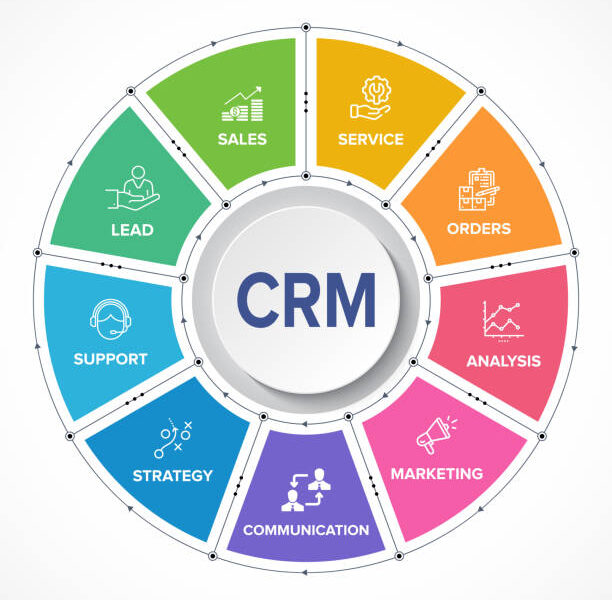
What Is CRM and Why Is It Essential for Your Business?
In today’s competitive business landscape, managing customer relationships effectively is more crucial than ever. Customer Relationship Management (CRM) software has emerged as a vital tool for businesses of all sizes, helping them streamline operations, enhance customer engagement, and drive growth. This article will explore what CRM is, its key features, benefits, and why it is essential for your business.
Understanding CRM
What is CRM?
Customer Relationship Management (CRM) refers to a technology system that helps businesses manage their interactions with current and potential customers. A CRM system centralizes customer data, tracks interactions, and provides insights into customer behavior. By utilizing CRM software, organizations can improve their customer service, increase sales, and foster long-term relationships.
The Evolution of CRM
CRM systems have evolved significantly over the years. Initially, businesses relied on manual processes and spreadsheets to manage customer information. However, as technology advanced, so did the capabilities of CRM systems. Today’s CRM solutions offer cloud-based options, mobile access, automation features, and advanced analytics that empower businesses to make data-driven decisions.
Key Features of CRM Software
1. Contact Management
At the core of any CRM system is contact management. This feature allows businesses to store and organize customer information in a centralized database. Users can easily access contact details, communication history, and preferences.
2. Sales Automation
CRM software automates various sales tasks such as lead tracking, follow-ups, and pipeline management. This automation helps sales teams focus on building relationships rather than getting bogged down by administrative tasks.
3. Marketing Automation
Many CRM systems include marketing automation tools that help businesses create targeted campaigns based on customer data. These tools enable companies to segment their audience and deliver personalized content that resonates with specific groups.
4. Reporting and Analytics
CRM software provides robust reporting and analytics capabilities that allow businesses to track key performance indicators (KPIs), measure campaign effectiveness, and gain insights into customer behavior. This data-driven approach helps organizations make informed decisions.
5. Integration Capabilities
Modern CRM systems can integrate seamlessly with other business tools such as email marketing platforms, accounting software, and e-commerce solutions. This integration ensures a smooth flow of information across different departments.
Benefits of Implementing a CRM System
1. Improved Customer Relationships
One of the primary benefits of using a CRM system is the ability to build stronger relationships with customers. By having access to detailed customer profiles and interaction history, businesses can provide personalized experiences that enhance customer satisfaction.
Personalization in Action
For example, if a customer has previously purchased a specific product, sales representatives can recommend complementary items based on their purchase history during follow-up communications.
2. Increased Sales Efficiency
CRM systems streamline sales processes by automating routine tasks such as data entry and follow-up reminders. This efficiency allows sales teams to focus on what they do best: selling.
Sales Pipeline Management
With features like visual sales pipelines, teams can easily track deals at various stages of the sales process and prioritize their efforts accordingly.
3. Enhanced Marketing Efforts
By leveraging customer data stored in the CRM system, businesses can create targeted marketing campaigns that resonate with their audience. This targeted approach leads to higher engagement rates and improved conversion rates.
Example of Targeted Marketing
For instance, if a business identifies a segment of customers interested in a specific product category, it can tailor email campaigns to promote relevant products or offers specifically designed for that audience.
4. Better Data Analysis
CRM software provides valuable insights into customer behavior through analytics tools. Businesses can track trends over time, identify opportunities for growth, and make data-driven decisions that enhance overall performance.
Data-Driven Decision Making
For example, if analytics reveal that customers tend to abandon their shopping carts at a certain point in the purchasing process, businesses can investigate further to identify potential issues and implement solutions to reduce cart abandonment rates.
5. Increased Collaboration Across Teams
A centralized CRM system fosters collaboration among different departments within an organization. Marketing teams can share insights with sales teams about customer preferences while customer support representatives can access sales history to provide better service.
Cross-Departmental Communication
This collaboration ensures that everyone in the organization is on the same page when it comes to understanding customers’ needs and preferences.
Why Is CRM Essential for Your Business?
1. Scalability
As your business grows, so do your customer interactions and data management needs. A robust CRM system can scale alongside your business, accommodating an increasing number of users and expanding functionalities without significant disruptions.
Future-Proofing Your Business
Investing in a scalable CRM solution ensures that you won’t outgrow your system as your business evolves over time.
2. Enhanced Customer Retention
Retaining existing customers is often more cost-effective than acquiring new ones. A CRM system helps you nurture relationships by providing timely follow-ups and personalized communications that keep customers engaged with your brand.
Loyalty Programs
With insights from your CRM data, you can implement loyalty programs or targeted promotions designed specifically for repeat customers based on their purchase history.
3. Improved Customer Insights
Understanding your customers’ preferences and behaviors is crucial for tailoring your offerings effectively. A CRM system aggregates data from various touchpoints—such as website interactions, social media engagement, and purchase history—providing valuable insights into what drives customer decisions.
Predictive Analytics
Advanced CRMs utilize predictive analytics to forecast future behaviors based on historical data patterns allowing businesses to anticipate needs before they arise enhancing overall satisfaction levels among clientele.
4. Streamlined Operations
By automating routine tasks such as email follow-ups or appointment scheduling through integrated workflows within the CRM platform organizations can streamline operations reducing manual errors while increasing efficiency across departments involved in managing client relationships effectively!
Example: Automated Reminders
For instance automated reminders ensure no missed opportunities arise when following up with leads after initial contact ensuring timely responses leading towards successful conversions!
5. Competitive Advantage
In today’s fast-paced market landscape having an effective CRM strategy gives companies a competitive edge over rivals who may still rely on outdated methods for managing client relationships! By leveraging technology-driven solutions startups & established firms alike position themselves favorably against competitors striving towards similar goals!
Choosing the Right CRM Software
When selecting a CRM solution for your business consider these key factors:
1. Define Your Goals
Before evaluating different options take time defining specific objectives you hope to achieve through implementing new software! Whether it’s improving lead management enhancing communication tracking performance metrics etc., having clear goals will guide decision-making throughout process!
2. Assess User Experience
A user-friendly interface is essential for ensuring team members adopt new systems quickly! Look for demos or trials allowing employees test functionality before committing long-term investments!
3. Evaluate Integration Capabilities
Ensure chosen solution integrates seamlessly with existing tools already utilized within organization such as email marketing platforms accounting software e-commerce solutions etc., reducing potential disruptions during transition phases while enhancing overall efficiency across departments working together towards common goals!
4. Consider Scalability Options
Choose solutions offering flexibility allowing easy expansion capabilities accommodating growing user bases without major disruptions down line! This ensures longevity investment made into chosen systems ultimately pays off over time!
Conclusion
In conclusion implementing an effective Customer Relationship Management (CRM) system is essential for any business aiming towards sustainable growth success! By centralizing information enhancing communication providing valuable insights streamlining operations organizations can build stronger relationships with clients ultimately driving profitability long term!Investing wisely into right tools tailored specifically towards improving client relationship management will empower companies navigate complexities associated with modern market landscapes effectively while positioning themselves favorably against competitors striving achieve similar goals!For additional information about selecting suitable tools tailored specifically towards enhancing client relationship management consider exploring resources like CRM Software Solutions.