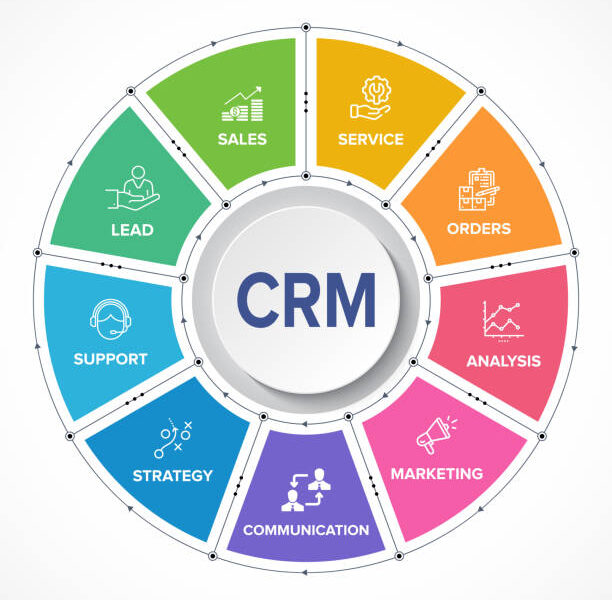
Why CRM Integration Is the Key to Business Growth
In today’s fast-paced business environment, companies must leverage technology to stay competitive and foster growth. One of the most effective ways to achieve this is through Customer Relationship Management (CRM) integration. By integrating CRM software with other business tools and systems, organizations can streamline operations, enhance customer experiences, and ultimately drive growth. This article explores the importance of CRM integration, its benefits, and best practices for implementation.
Understanding CRM Integration
What is CRM Integration?
CRM integration refers to the process of connecting a CRM system with other software applications used by a business. This could include marketing automation tools, email platforms, accounting software, and customer support systems. The goal is to create a seamless flow of information between these systems, allowing for better data management and improved operational efficiency.
Importance of CRM Integration
Integrating your CRM system with other business applications is crucial for several reasons:
- Centralized Data: Integration ensures that all customer data is stored in one place, making it easier for employees to access and manage.
- Improved Collaboration: With integrated systems, teams can share information more effectively, leading to better collaboration across departments.
- Enhanced Customer Experience: A unified view of customer interactions allows businesses to provide more personalized service.
- Increased Efficiency: Automation of routine tasks reduces manual work and minimizes errors.
Benefits of CRM Integration
1. Enhanced Customer Insights
One of the primary benefits of CRM integration is the ability to gain deeper insights into customer behavior. By consolidating data from various sources, businesses can create comprehensive customer profiles that include purchase history, preferences, and interactions across different channels.
How Enhanced Insights Drive Growth
- Personalized Marketing: With detailed customer insights, businesses can tailor their marketing efforts to meet individual needs.
- Improved Sales Strategies: Understanding customer behavior helps sales teams develop targeted strategies that resonate with clients.
- Better Customer Retention: By anticipating customer needs and preferences, businesses can foster loyalty and retention.
2. Streamlined Operations
Integrating CRM with other business applications streamlines operations by automating repetitive tasks and eliminating data silos. This leads to more efficient workflows and better resource allocation.
Key Areas of Streamlining
- Automated Data Entry: Integration reduces the need for manual data entry, minimizing errors and saving time.
- Unified Communication: Teams can communicate more effectively when they have access to shared data.
- Simplified Reporting: Integrated systems allow for easier generation of reports by pulling data from multiple sources.
3. Improved Collaboration
CRM integration fosters collaboration among different departments within an organization. When teams have access to the same customer data, they can work together more effectively to achieve common goals.
Benefits of Improved Collaboration
- Cross-Departmental Insights: Marketing can share insights with sales about customer engagement, while support can provide feedback on common issues faced by customers.
- Consistent Messaging: A unified approach ensures that all departments communicate consistently with customers.
- Increased Accountability: With shared access to data, team members can hold each other accountable for their contributions to customer interactions.
4. Increased Sales Productivity
Integrating CRM systems with sales tools can significantly enhance sales productivity. By automating routine tasks and providing real-time insights into customer behavior, sales teams can focus on what they do best—selling.
Ways CRM Integration Boosts Sales Productivity
- Lead Scoring Automation: Automatically score leads based on engagement levels to prioritize follow-ups.
- Sales Pipeline Management: Visualize sales processes and track deals through various stages seamlessly.
- Performance Tracking: Monitor key performance indicators (KPIs) in real-time for informed decision-making.
5. Better Customer Experience
A seamless integration between CRM systems and other business applications leads to a better overall customer experience. When employees have access to comprehensive customer data, they can provide timely and relevant support.
Enhancing Customer Experience Through Integration
- Personalized Interactions: Employees can tailor their communications based on previous interactions and preferences.
- Faster Response Times: Access to real-time information enables quicker responses to customer inquiries.
- Proactive Engagement: Businesses can anticipate customer needs based on historical data and trends.
Best Practices for Successful CRM Integration
1. Define Clear Objectives
Before starting the integration process, it’s essential to define clear objectives for what you want to achieve. Whether it’s improving lead generation or enhancing customer satisfaction scores, having specific goals will guide your efforts.
Key Questions to Consider
- What specific outcomes do you want from the integration?
- How will you measure success?
- What resources do you need to achieve these goals?
2. Involve Key Stakeholders
Engage key stakeholders from various departments—such as sales, marketing, and customer support—during the integration process. Their input will ensure the system meets the needs of all teams involved in customer interactions.
Importance of Stakeholder Engagement
- Cross-Department Collaboration: Foster collaboration between departments for a unified approach.
- Buy-In from Teams: Ensure that all teams are invested in the success of the CRM integration.
3. Choose the Right Tools
Selecting the right tools for integration is crucial. Ensure that your CRM system is compatible with other software applications used by your organization.
Factors to Consider When Choosing Tools
- Integration Capabilities: Look for software that offers APIs or built-in integrations with popular applications.
- Scalability: Choose tools that can grow with your business as needs change.
- User-Friendliness: Opt for solutions that are easy for employees to use without extensive training.
4. Provide Comprehensive Training
Invest in training sessions for employees to familiarize them with the new integrated system. Comprehensive training ensures that staff understands how to use the CRM effectively and helps drive adoption across the organization.
Training Topics to Cover
- System Navigation
- Data Entry Best Practices
- Campaign Creation and Management
- Reporting and Analytics Interpretation
5. Monitor Performance Metrics
After integrating your systems, continuously monitor performance metrics related to both CRM and marketing automation efforts.
Key Metrics to Track
- Conversion Rates
- Customer Satisfaction Scores
- Sales Performance Metrics
- Response Times
Conclusion
CRM integration is not just a technological upgrade; it represents a strategic move that can significantly drive business growth. By integrating a robust Customer Relationship Management system with other essential business applications, organizations can gain enhanced insights into customer behavior and preferences while streamlining operations through automation.The benefits of CRM integration are vast—from improved collaboration among teams and increased sales productivity to enhanced customer experiences that lead directly toward higher retention rates! Embracing this technology enables businesses not only optimize their efficiency but also position themselves competitively within their respective industries moving forward into future growth opportunities!For additional information on how CRM integration can transform your business operations or explore best practices in implementation consider checking out resources like CRM Software Solutions.